



Your route to the cockpit
Start 11 januari in een kleine klas van 4-10 studenten. Op Vliegveld Teuge
The modern way of training
Your career takes place in the future of aviation, and that is exactly what we train you for.
In approximately 16 to 18 months, you go from zero to an EASA Frozen ATPL, the licence with which every airline pilot starts. Full-time and intensive: you fly almost daily and do it together, in a small, close-knit class of 6 to 10 students. Thanks to the hybrid setup of the training, you earn licences and ratings along the way such as PPL, UPRT, or IR. That way, something is registered in your name at every step, and even if you have to stop unexpectedly, you never end up empty-handed.
Personal attention
Small, personal classes with instructors who know you by name, and lots of individual guidance.
Instructors from across the industry
Built by a pilot with 4,500 flight hours.
Built for the new aviation
From E-Deck and the most advanced equipment to our own simulators: everything is built for the new aviation era.
What does your route look like?
You follow the training full-time in approximately 16 to 18 months, including 9 reserve weeks and 8 holiday weeks as a buffer for weather, operational issues, or exams. Because we depend on factors such as weather conditions, we expect availability of 5 days per week.
“Aviation is changing, and the training of new pilots must keep up.” Kelly Otte · Managing Director, Corendon Dutch Airlines
Your career already starts during your training
At E-Flight, we actively prepare you for your first job during your training, even before you graduate.
The price
A flight training is a major investment, and we know that better than anyone. That’s why we’re completely transparent about it: you pay for the training in 14 payment instalments, each step by step and not all at once. This keeps your financial risk as low as possible: you never pay more than one phase in advance, and every licence and rating you earn along the way remains yours.
- All licences and ratings from PPL through CPL, including hour building
- Alle flight hours, instruction and theory
- Landing fees at training airfields (with a maximum per item), fuel and electricity
- All exams on the first attempt, including examiner fees
- Excursions, workshops and CO₂ offsetting
- Upfront assessment (€2.175)
- Class 1 aviation medical (€375 to €500)
- Herexaminations after the first attempt
- Own equipment and living expenses (headset, iPad, room)
- MCC and type rating, which come after your Frozen ATPL
Interested? Leave your number and we'll call you.
A decision of this size is about trust. That’s why we’d rather call you briefly.
We have your details. We'll contact you.
of kom langs
Check je inbox: de bevestiging met datum en locatie komt eraan.
Not sure what your next step is?
One question, and we'll point you the shortest way.
Frequently asked questions
ATPL fulltime: Programma & tempo
What exactly is a Frozen ATPL?
The programme gets you a Frozen ATPL: all the theory and licences of an airline pilot, but not yet the full privileges. "Frozen" means you can start work as a co-pilot (First Officer); once you have built up enough flight hours (roughly 1,500, usually paid during your first job) your licence "unfreezes" into a full ATPL and you can become captain. Virtually every airline pilot starts with a Frozen ATPL.
How long does the programme take?
About 16 to 18 months, full-time and intensive: with over 200 flight hours you fly almost daily. You do the ATPL theory largely as self-study, with a classroom lesson every week: the law requires only 10% classroom guidance, we give more than three times that. You are available on weekdays so we can plan your flying lessons around the weather and you actually complete your hours. Holiday and reserve weeks absorb weather and exams. If you fall behind, it can take longer.
Can I do this alongside my job and family?
Honestly: this is a full-time and demanding programme. With over 200 flight hours in 16 to 18 months you fly almost daily, and you are available on weekdays so we can plan around the weather. Combining it with a full-time job is therefore not realistic. Would you rather go at your own pace alongside work or family? Then look at our https://www.eflight.nl/pages/atpl-parttime">individual, modular route. In the information session we will look honestly at what suits your situation.
Do I always have the same instructor?
No, and that is deliberate. You learn from a diverse team of 15+ instructors, and most students fly their hours with several instructors from that team: from young, newly qualified flight instructors to experienced airline and (former) military pilots. That way you benefit from multiple perspectives instead of one person's style, and you are never stuck when someone is on holiday.
Where does the training take place?
Your training runs from our own campus E-Deck at Teuge Airport: the hangar, briefing rooms, simulators and the (partly electric) fleet are all here. Count on a full-time presence during the week. Do you live further away? Raise it in the information session and we will see what is practical.
What about accommodation?
You arrange accommodation yourself. In the area around Teuge and Deventer you can usually find a room or studio for around €400 to €800 per month.
ATPL fulltime: Toelating & eisen
Am I too old to become a pilot?
Probably not. What counts is a valid Class 1 medical and the motivation to go for it. Not sure? Come to an information session or take a trial lesson and you will know.
What are the hard requirements to start?
You are at least 17 years old (required for the PPL exam), hold a valid EASA Class 1 medical before your first solo flight (you may start without one at your own risk), and speak basic English. We recommend at least upper secondary level for the theory, but it is not compulsory.
What if I fail the Class 1 medical?
The EASA Class 1 medical is essential: without it you cannot fly as a professional pilot. That is why we advise you to apply for it early, before you incur major costs. Many things people worry about (such as glasses within the limits) are no problem at all. Not sure? Arrange your medical or a pre-assessment with an aeromedical examiner first, then you know exactly where you stand.
ATPL fulltime: Kosten & financiering
What exactly does the programme cost, and when do I pay what?
€119,000 including 21% VAT: all courses (PPL through CPL), flight hours, instruction, theory and exams at the first attempt. You pay in 14 phases, step by step, never more than one phase in advance. Not included: the assessment (€2,175), Class 1 medical, equipment, resits, living costs, and the MCC and type rating that follow after your Frozen ATPL.
Are the MCC and type rating included?
No, and that is deliberate: the MCC (Multi-Crew Cooperation) and the type rating are not part of the programme. Not an omission but a choice, because which MCC you need depends on where you will be flying. Many employers require an MCC (airlines, but often business aviation and special missions too); they have their own requirements and regularly provide the training themselves, at their expense. If you do take it yourself, it is best to match that choice to the employer or the kind of flying you have in mind. We are happy to think along and refer you to a suitable provider. If you end up flying single-pilot operations, you will not need an MCC at all. That way you do not pay in advance for training you may not need, or that your employer will pay for later.
Can I finance the programme?
With us you pay per phase: if you have to stop along the way, you simply keep your hours and licences. Would you like more information about financing? .
What happens if I fail an exam?
A resit is at your own expense: theory €50–100, practical €400–2,000 per attempt. It costs time, but your progress and the licences you have already earned remain intact.
ATPL fulltime: Carrière & zekerheid
What comes after my Frozen ATPL?
That depends on where you end up. For multi-crew work such as airline, business aviation, cargo or rescue, an MCC (working together as a crew) and a type rating for the specific aircraft usually follow. These belong to your first employer or aircraft and fall outside the programme price; employers sometimes cover the type rating or offer financing. If you go into instructing, for example, you will not necessarily need them. Along the way you build flight hours towards your full ATPL.
Can you guarantee me a job?
The industry expects to need many new pilots in the coming years, and we see that on our own campus: Corendon has its future pilots trained here. But nobody can give guarantees, ourselves included; recruitment fluctuates, even at airlines. That is why we prepare you actively: career sessions with interview training, a personal mentor and the E-Flight Club Nights. And we do our utmost to help place you somewhere.
Have you placed students anywhere yet?
No, we are still a young company. In March 2026 we launched our first ATPL class together with Corendon, and in September 2026 our own ATPL class started. We will share placement figures as soon as our first classes have graduated.
Am I tied to anything?
No. You do not sign a binding contract, only a non-binding quotation. You pay per phase, never more than one in advance, and you can stop at any time: you only pay for lessons taken and the licences you earned remain yours.
What if E-Flight were to cease operations?
Even then your risk is limited: you have never paid more than one phase in advance, and your licences and flight hours are in your name. You take those with you to any other flight school.
ATPL fulltime: Aanmelden
Can I take a trial lesson first?
Yes, and we recommend it. A trial lesson is the best way to feel whether flying really suits you, before you make a big decision. You book it directly online and you are in the cockpit in no time. https://www.eflight.nl/pages/boek-een-e-flight-proefles" target="_blank" rel="noopener">Book a trial lesson
What exactly is the assessment?
Two days at Teuge: 4 flights on the Velis and around 2 hours of simulator, assessed by several instructors, plus a short oral knowledge test. No cramming needed: a week in advance you receive an information pack to read at your leisure, it is about aptitude. You always receive a personal advisory report.
What does the selection procedure look like?
Information session or trial lesson → arrange financing and medical → book and schedule the assessment → take the assessment → advisory report and result → start or not.
When does the next class start?
In January, without a waiting list of years: you start within months, not years. Count on a few months of lead time (interview → assessment) and apply for your Class 1 medical early. Leave your details and we will contact you, so you are the first to hear when you can start.
Every question is welcome.
You are not choosing a training; you are choosing a life as a pilot, and that comes with questions. Big or small, about money, doubts, or planning: just ask them. We’re happy to think along with you.
More information about the training
Check your inbox: what you selected is on its way.
Questions about financing? We’re happy to help think it through with you
Leave your details, and we’ll send you the financing overview with the payment structure and terms.
Start on time. We’d be happy to put you in touch with a partner who can help you with this in a targeted way. And if the funding is already in place, through family or friends for example? Even then, an advisory meeting is a smart move, for things like contracts and insurance.
Check your inbox: the financing overview is on its way. Left your phone number? Then we'll call you back.
Small classes, great attention. We take your needs into account.
You’re not just a number here: you’re in a fixed class, with instructors who know you by name, and we adapt to your situation.
Quality comes first
Ample time for briefings and debriefings, interim progress checks to make adjustments where needed, and plenty of attention to theory and your questions. You will not only learn to fly, but also understand what you did and why.
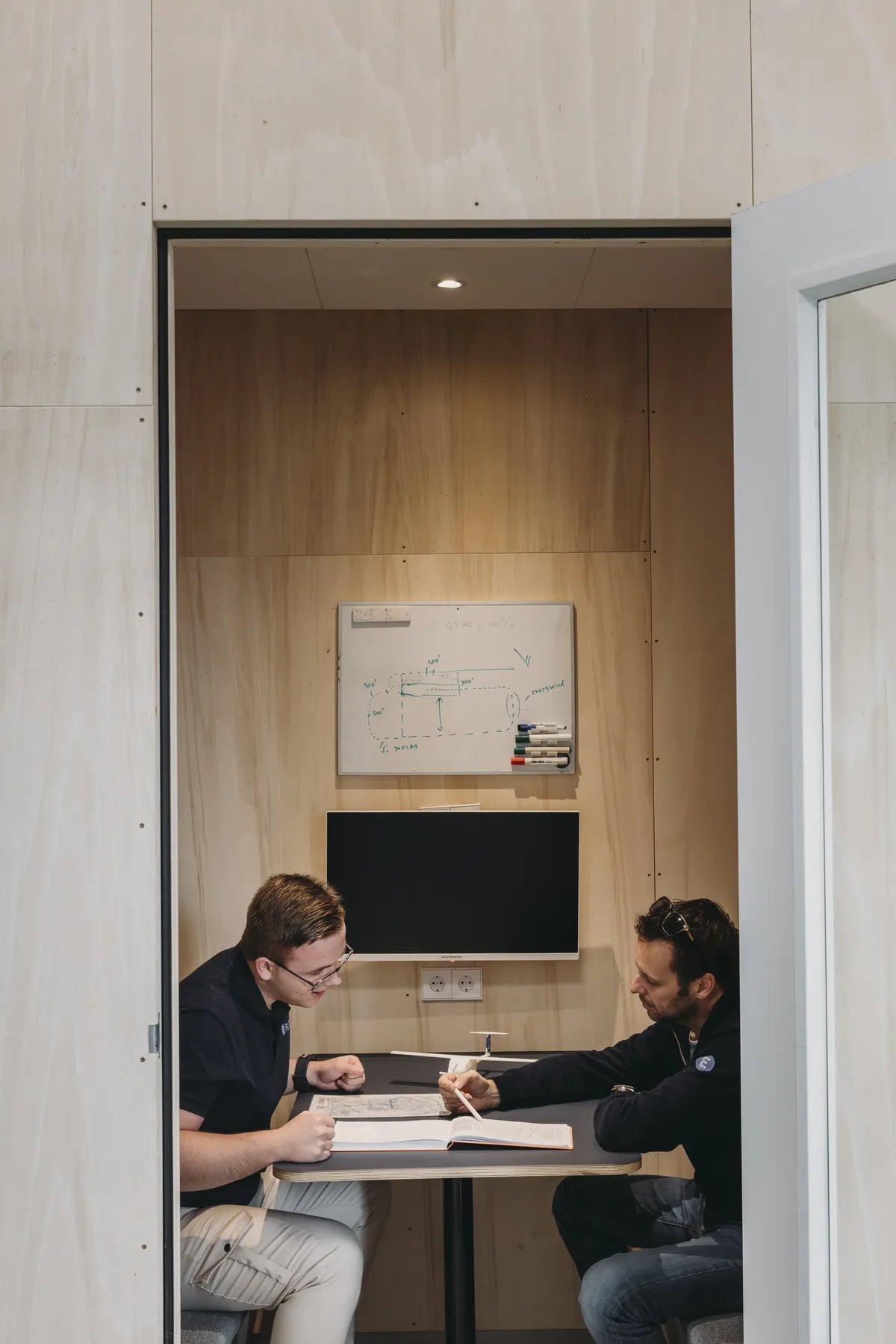
Personal guidance, not a lecture hall
At E-Deck, you sit in a quiet booth with your instructor, one on one. Asking questions is the norm here, not the exception.
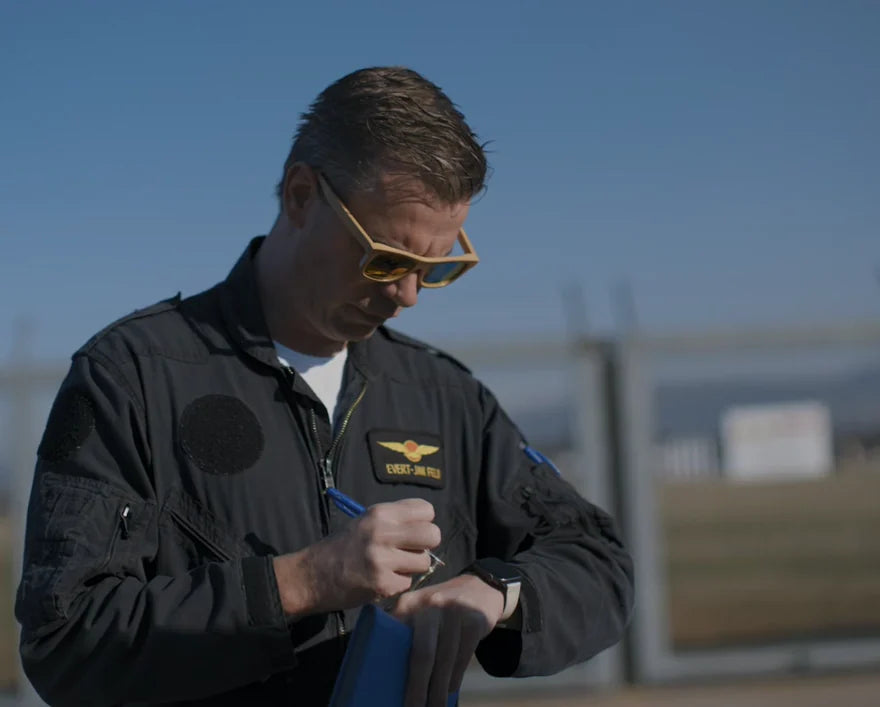
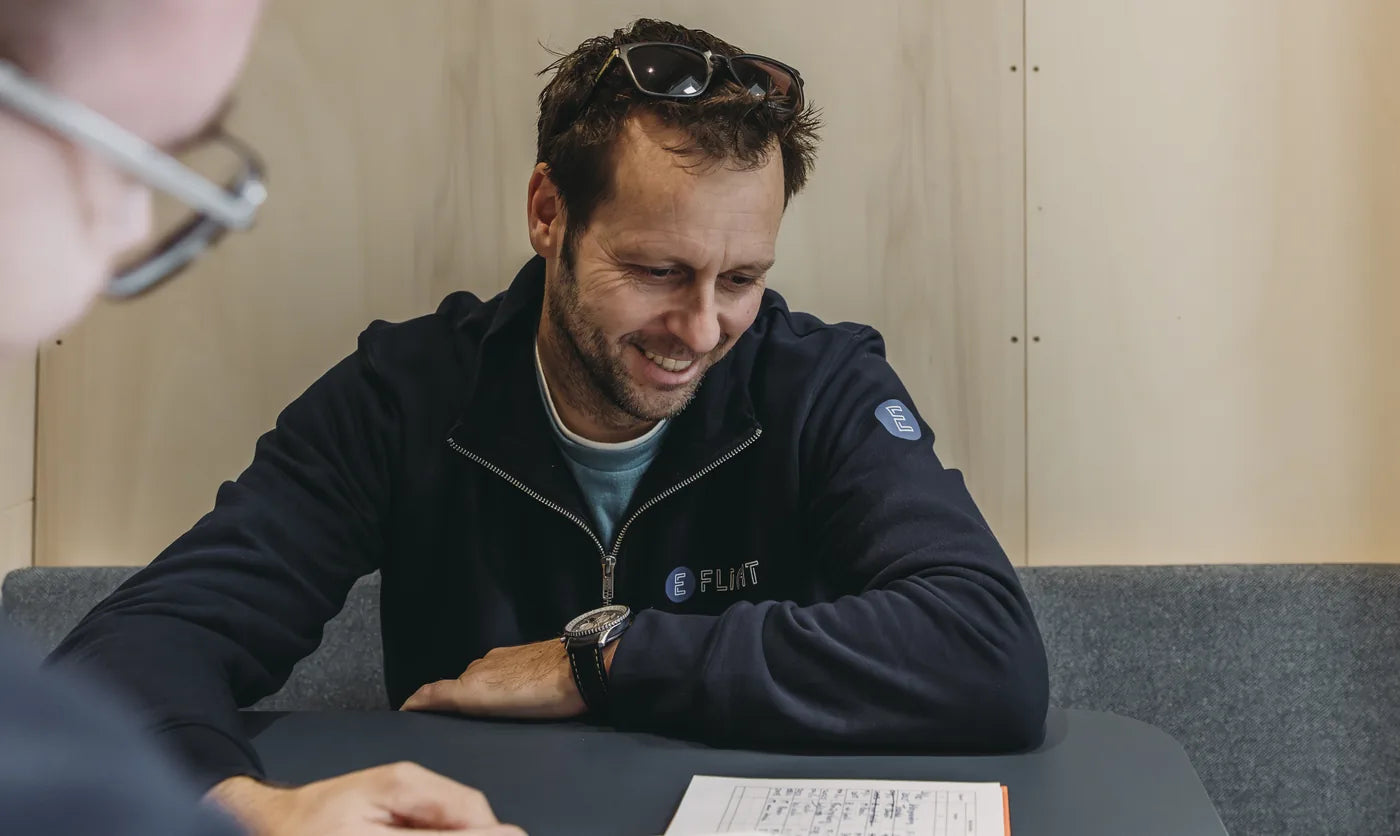
Meet Evert-Jan Feld.
Over ten years as a pilot with the Royal Netherlands Air Force, on the Cougar helicopter and the Pilatus PC-7, then eleven years on the EC-135 trauma helicopter as Lifeliner 2.
Was Head of Training for the largest helicopter school in the Netherlands and is a member of the National Aviation Expert Team and the committee of senior helicopter examiners (ILT). Over 4,500 flight hours. In 2021, he founded E-Flight, and put together the team that trains you.
The team he built
A super diverse team of instructors consisting of airline pilots, (former) military pilots, examiners, and young talent to help you in the best possible way.
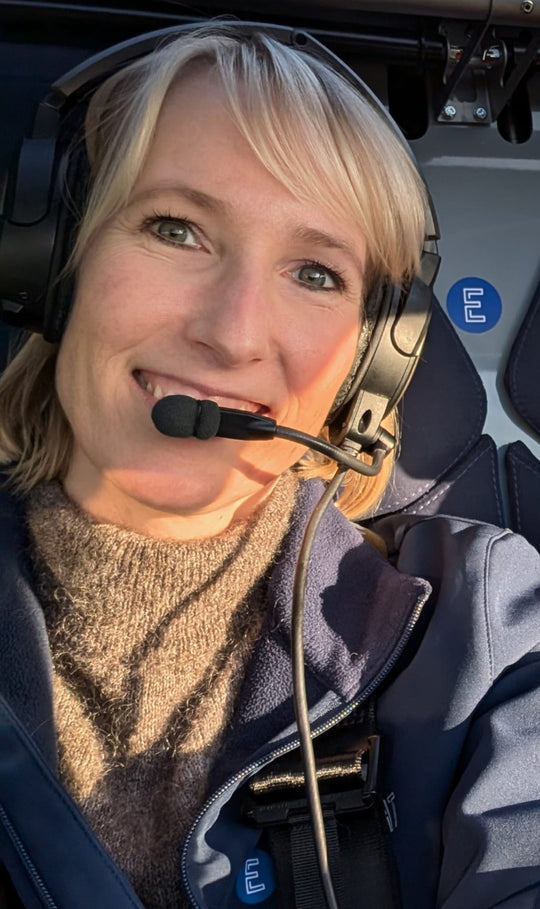
Chief Flight Instructor & examiner. Previously flew, among others, the Dash 8 Q400.
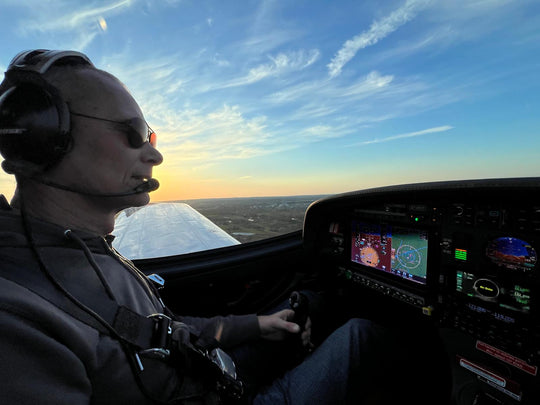
instructor & examiner. Also Ground School instructor at HeliCentre.
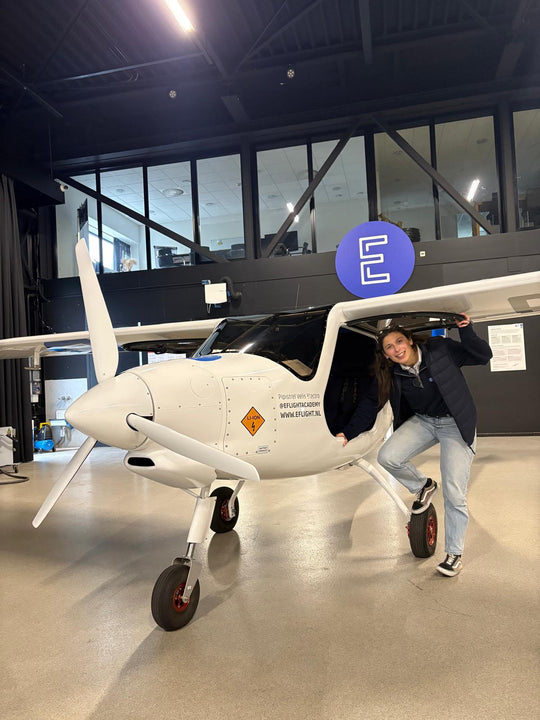
Flight instructor with a background in Aviation Engineering.
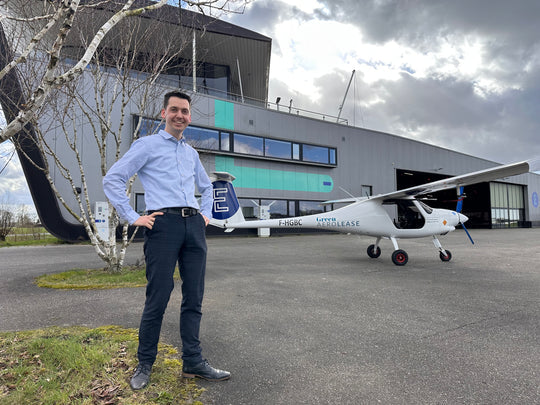
Flight instructor and teacher: conveys complex theory clearly.
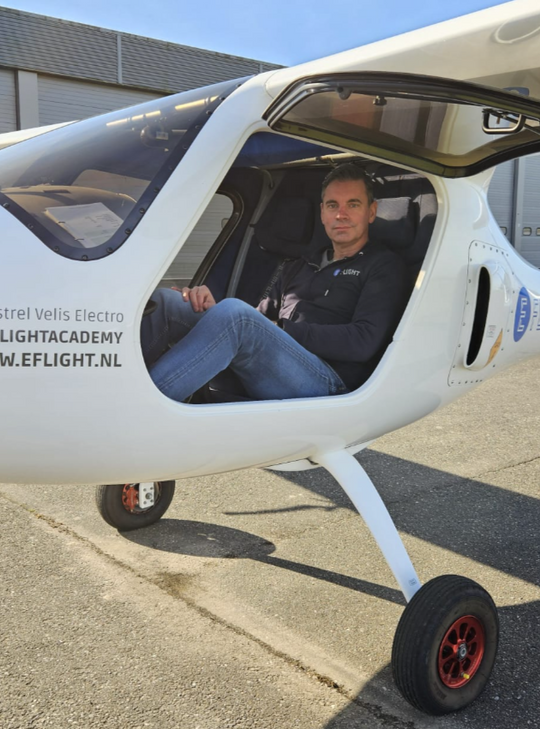
Flight instructor and KLM pilot on the B737. Former Navy and Martinair.
Flight instructor. Previously taught in Norway at Pilot Flight Academy.
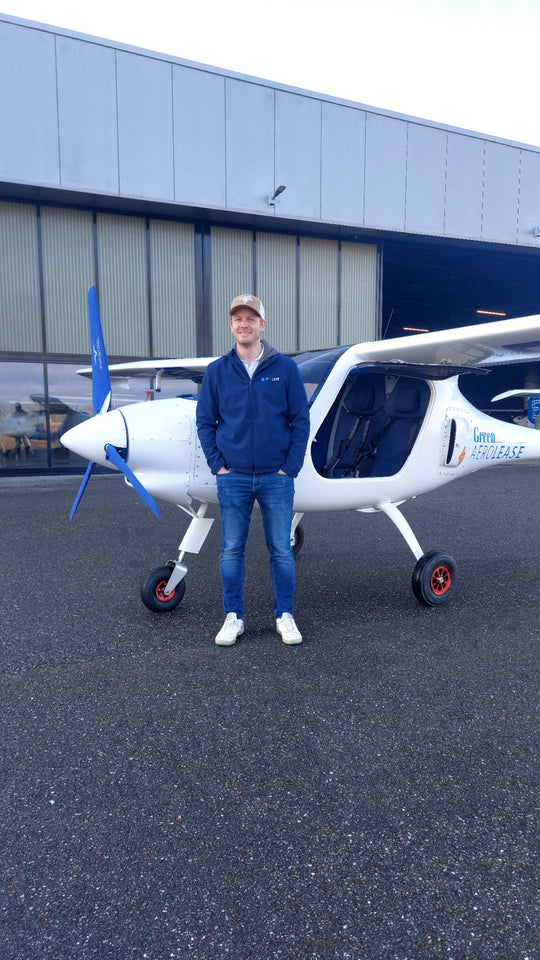
Flight instructor and defense test pilot on Cougar and Chinook.
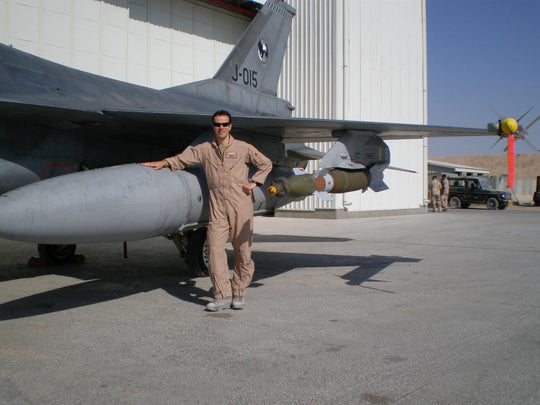
Vlieginstructor and KLM First Officer on the B777/787. Also F-16 and Embraer.
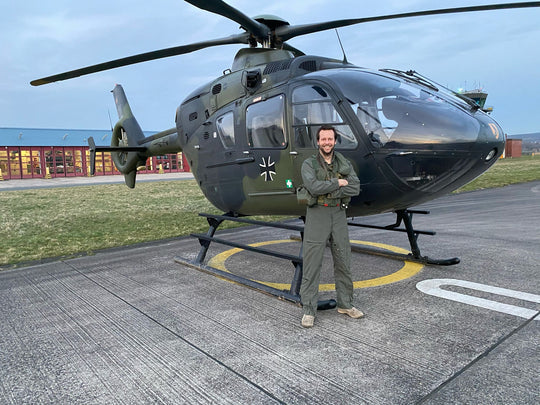
Flight instructor and defence pilot (Cougar). Took part in the European aerobatics championship.
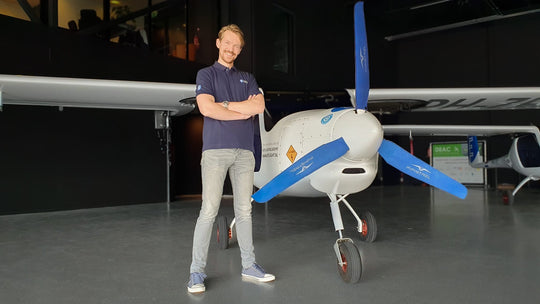
Flight instructor. Also working at PAL-V FlyDrive Academy.
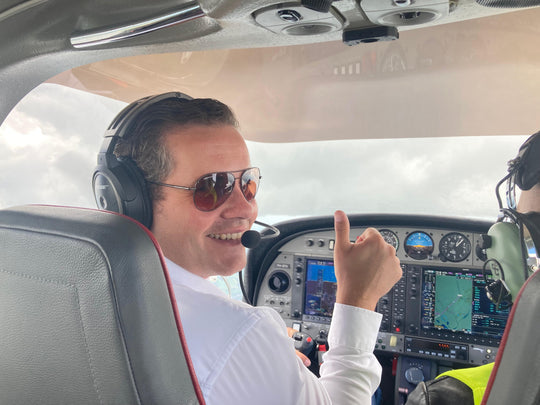
Vlieginstructor and First Officer on the Phenom 300E. Glider pilot since the age of 14.
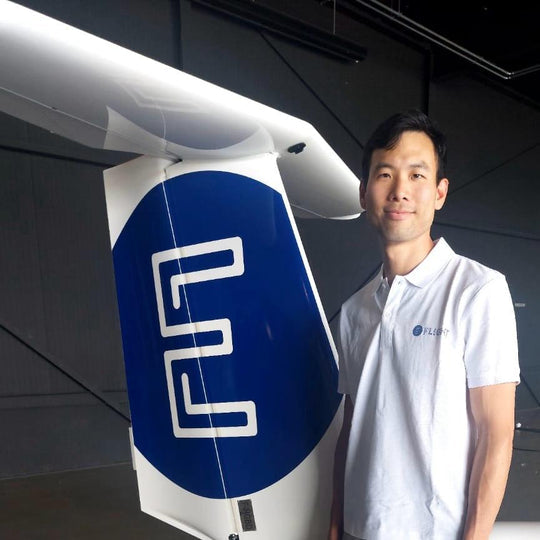
Vlieginstructeur, trained at E-Flight. 95% of his hours flown electrically.
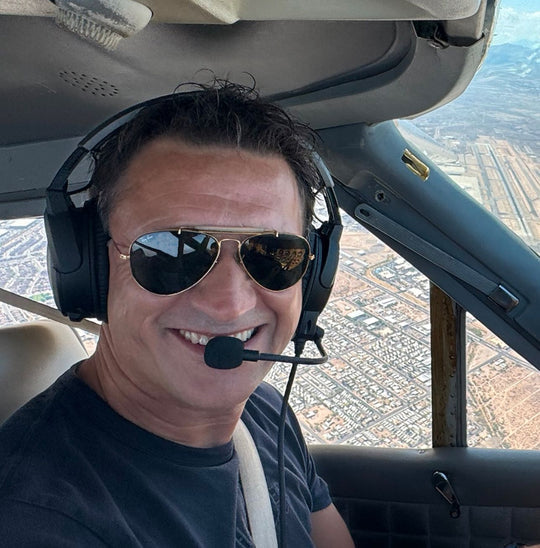
Vlieginstructor and KLM First Officer on the B777/787. Also 737, A330 and F-16.
Vlieginstructor with experience in the Netherlands, Iceland, and Central Africa.
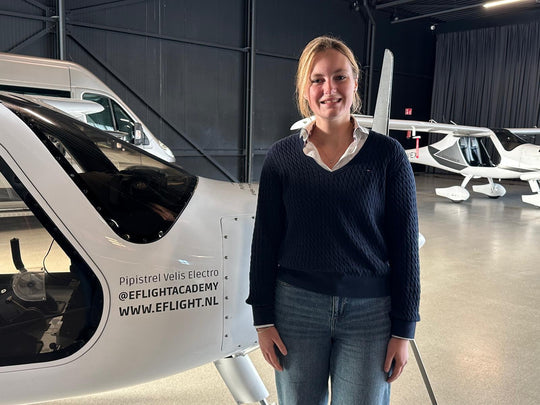
Flight instructor and KLM Second Officer on the Boeing 777. Also a glider pilot.
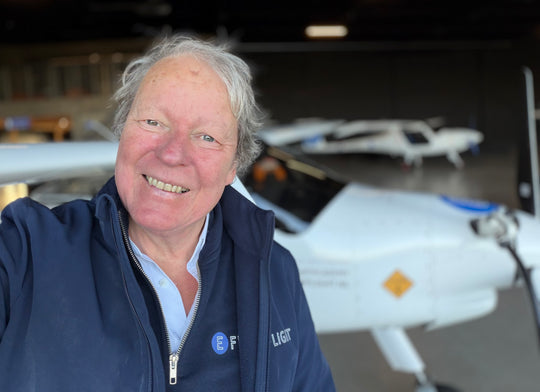
Flight instructor and filmmaker who brings complex themes into clear focus.
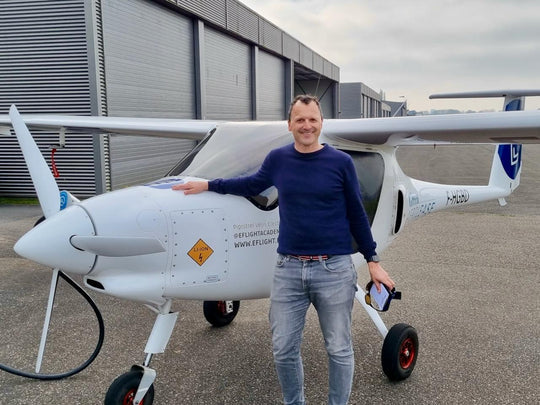
Flying instructor and professor of digital innovation and sustainability.
You do not have a fixed instructor: you deliberately fly with different people from this team, each with their own background and flying style. That way, you learn the best from everyone and become a flexible pilot who adapts to every cockpit and captain, בדיוק what you will later be asked for in practice.
From solar panels to your own simulator.
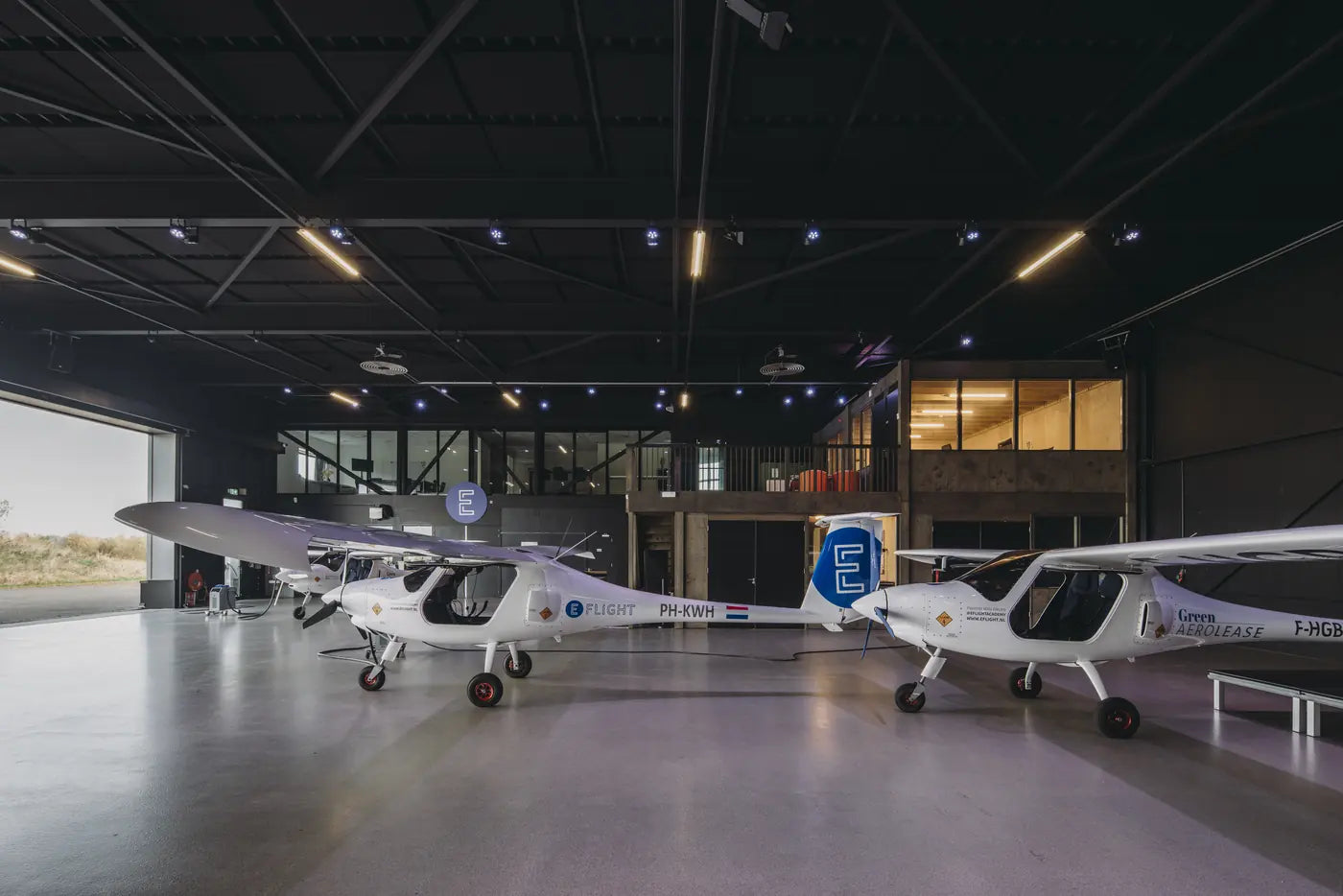
Everything at E-Flight is built for the new aviation era: the most modern hangar in the Netherlands, digital systems instead of paper, and a modern, partly electric fleet.
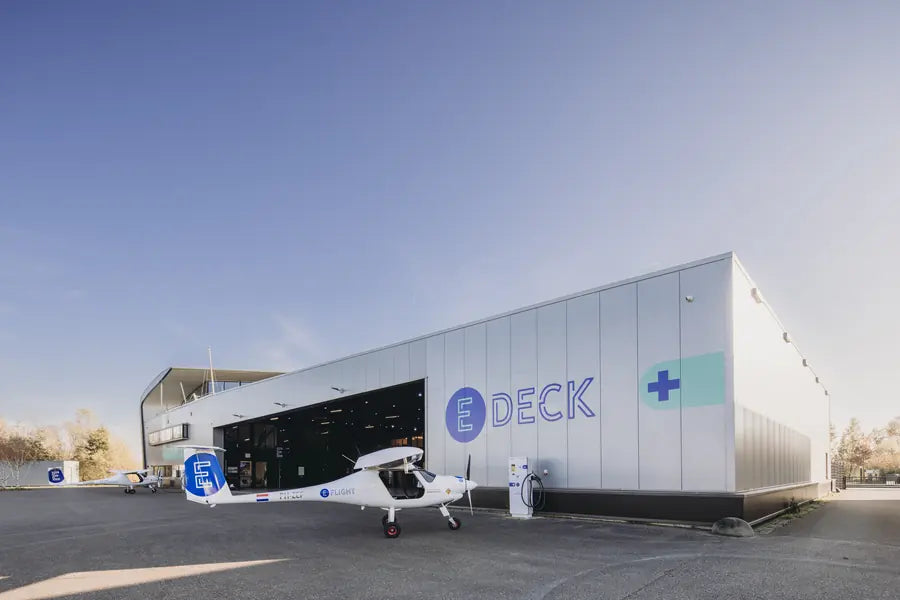
E-Deck: the most modern campus in the Netherlands
Briefing and sim rooms, silence booths for one-on-one guidance, solar panels on the roof and charging stations on the platform. Noise-cancelling headsets and iPads with ForeFlight. Everything handled digitally, from your logbook to your progress.
Our own simulator, developed with Inholland
Together with Inholland, we built the E-Flight Simulator, from the motion platform to the software. That way, you can train procedures and scenarios right on campus, alongside real flying.
A hyper-modern, partly electric fleet
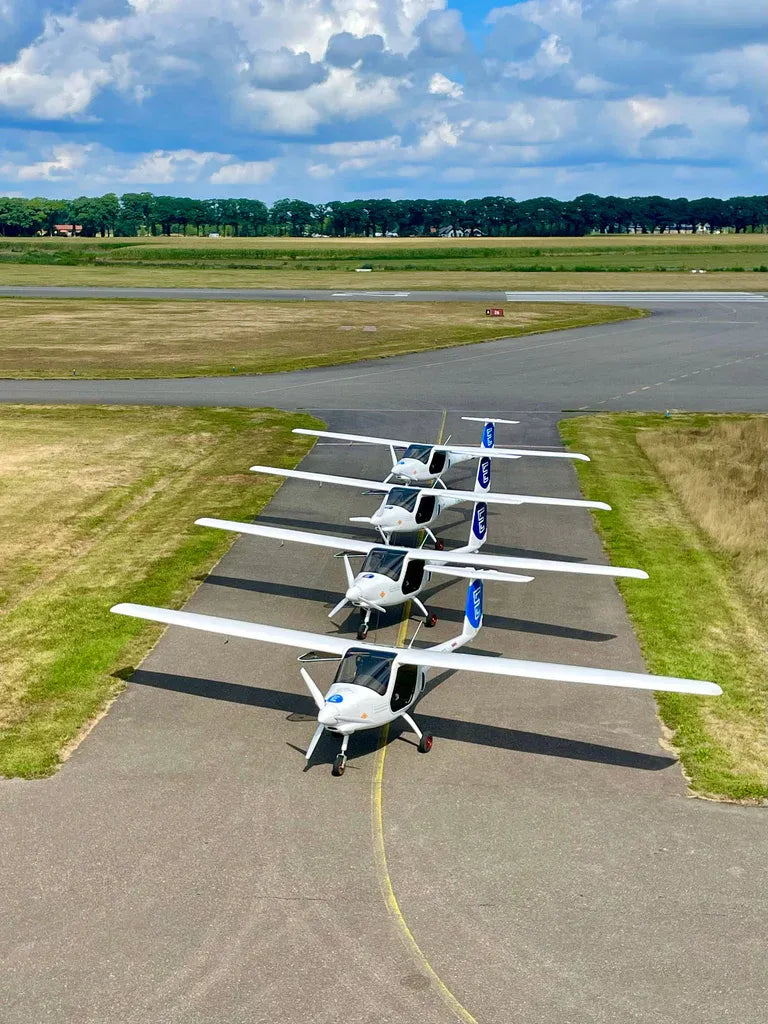
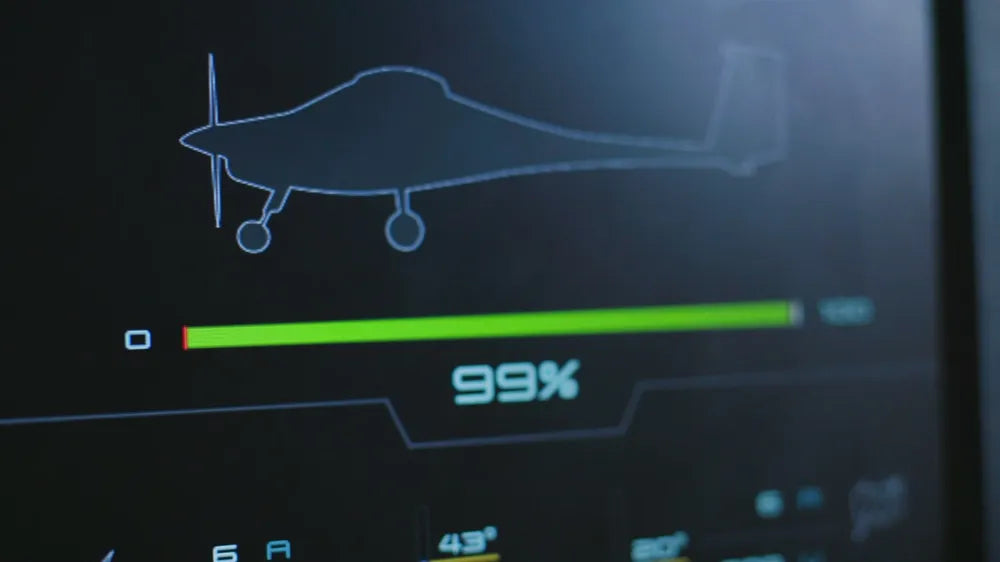
5× Velis Electro, the Explorer, a Bristell B23 and a Diamond DA42. You fly both electric and conventional aircraft, with the same EASA licenses.
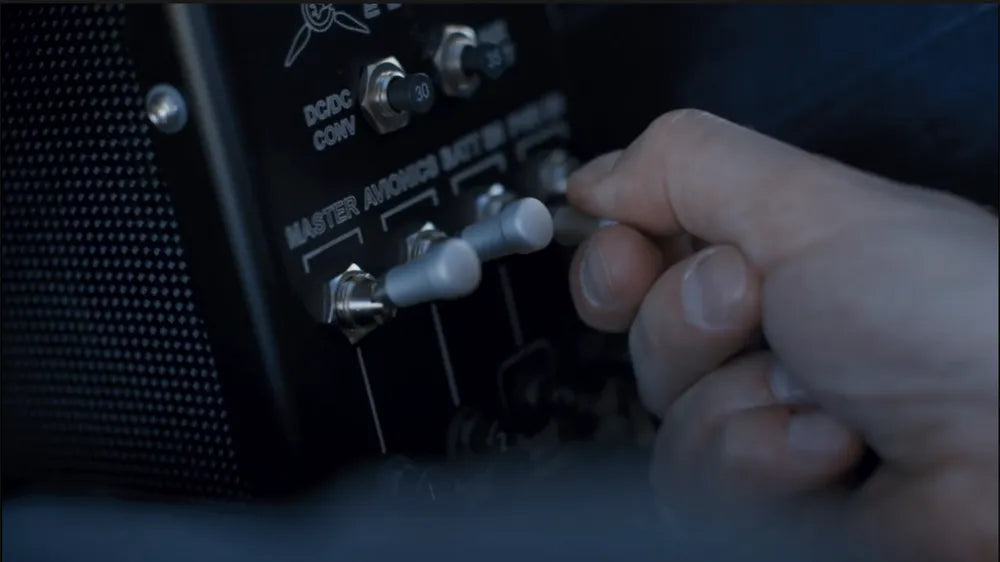
Together trained, never alone.
You’ll be trained with us in a close-knit class, and you won’t be on your own when it comes to your career either: we actively prepare you for the job market and do our very best to place you somewhere. That way, you won’t be starting your career on your own either.
Per class, we organize career sessions with job application training: together, we look at where you want to go and how we can help you get there. Plus a personal mentor for advice and guidance.
Meet the profession on our own campus: guest speakers from our partners, such as captains from various flight operations, maintenance technicians, and air traffic controllers.
With a Frozen ATPL, you can apply across the entire aviation industry: from airlines and cargo to business aviation, special missions, and instruction. The emerging eVTOL and eCTOL routes also align perfectly with your electric flight training at E-Flight. You choose exactly where your career goes.


We maintain professional contact with these recruitment teams, and graduates can apply directly to them. We are actively expanding this.
To be honest.
The aviation industry is a tough one: hiring cycles fluctuate, and no job is guaranteed anywhere. You don't just become a pilot.
Because we know that, we want to help you as well as possible, with regular progress checks, career sessions, and your mentor. If we see that you have a certain goal, but your commitment, skills, or attitude are making it difficult? Then we’ll say so honestly, and we’ll work on it together.
We have your best interests at heart and do our very best to place you somewhere. In return, we do expect something: full commitment and dedication to becoming the best pilot possible.
What do students and partners say?
From career changers to the aviation sector building with us.
The trial lesson was well organised and all necessary information was communicated clearly. A professional organisation with a focus on sustainability in aviation really appeals to me. I’m already considering the next step: booking an assessment. Special thanks to Peter for sharing his experience as a former air force pilot!
The aviation industry is changing, and the training of new pilots must keep pace. Together with E-Flight, students already fly electrically during their studies and get to know the day-to-day practice of an airline. That makes this training future-oriented and distinctive.
There was a strong desire from the Air Force leadership, and from former Lieutenant General Dennis Luyt himself, to make this introduction to flying as sustainable as possible. At E-Flight Academy, Defence found a suitable partner.
My experience completely exceeded my expectations. Everyone was incredibly welcoming, and a big thank you to my instructor Stephanie Smulders: her briefing was interesting and interactive. Her instructions were remarkably clear, which was great because I had absolutely no flying experience. The Netherlands from the air is truly beautiful. I can wholeheartedly recommend this flight school!
A very pleasant flying school that I can recommend to anyone who wants to learn to fly here! There is always a relaxed atmosphere and the facilities are excellent!
E-Flight Academy, one of the initiatives in which Transavia Ventures invests, is the first Dutch flight school to fully focus on electric flying. Through this collaboration, Transavia is exploring the possibilities of making electric flying part of its own pilot training, thereby contributing to the sustainability of the aviation sector.
Excellent service and lovely people. It was really enjoyable to fly with Velis!
Koploper E-Flight Academy has proven to be a valuable addition to our curriculum through this pilot. It is important and good that our students are already gaining hands-on experience with sustainable flying. Everyone in our organization is enthusiastic. We are very much looking forward to the continuation of this collaboration.
It was a great experience. Good, patient, and clear instructor. Beautiful route flown. Totally enthusiastic. That electric flying is a revelation, wonderfully quiet. And maximum time in the air without warm-up time. Leaves you wanting more!
Had a fantastic experience with the trial lesson and I definitely hope to come back to take lessons. Highly recommended.
What an experience to fly electric for the first time! The instructor was very friendly and open to all the questions I had. I will definitely come back here again! Highly recommended to take at least a trial lesson if electric flying appeals to you!