




“My experience at E-Flight Academy Teuge completely exceeded my expectations! From the moment I walked in, the entire staff was incredibly welcoming and helpful, even offering coffee and pastries. A huge thank you to my flight instructor, Stephanie Smulders. She made the theoretical briefing very interesting and interactive. The flight itself was superb—seeing the Netherlands from above is truly beautiful. We started by going through the pre-flight checklist together, and then I actually got to try some flight maneuvers under her careful supervision. Her instructions were remarkably clear and easy to follow, which was amazing considering I had absolutely zero prior knowledge or flying experience. She even took some great photos of me. I highly recommend this academy!”
 13-06-2026

✓️ Learn to fly VFR at night
✓️ 5 hours of flying, including 4 hours with an instructor and 1 navigation flight
✓️ 5 solo take-offs and landings
✓️ 3 hours of theory
Who is this training for?
Do you have a pilot's licence and enjoy flying, but want to develop your skills further to become an even better pilot who can fly in even more conditions? Then the Night Rating Training is ideal for you!
A difference between night and day
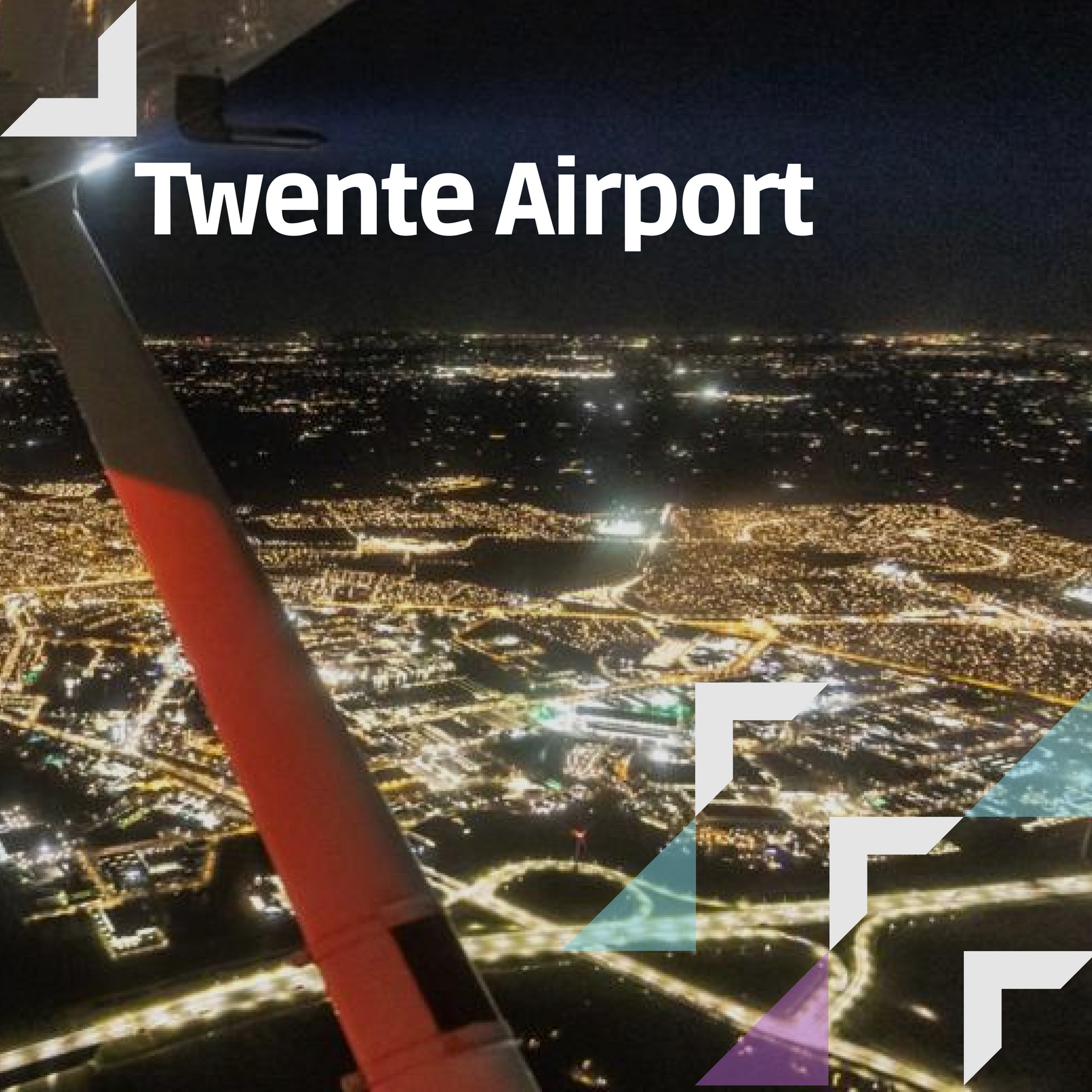
During the Night Training, you will learn to fly at night according to the Visual Flight Rules (VFR), which means learning to fly by sight in the dark. This requires a whole new set of skills that you can sink your teeth into. You will learn to work with different visual references and interpret instruments in reduced visibility. This not only improves your navigation and emergency procedures, but also makes you a better pilot - a difference between night and day ;). Plus, you can enjoy the fantastic views during your night flights over illuminated cities and beneath clear, starry skies.
Get more out of your licence
In short, night flying helps you get more out of your licence and gives you greater flexibility, as you are no longer limited to daylight hours. Weather conditions are often better at night too, with less wind and thermal activity. It is also a good investment in your career, as night flying experience is often a requirement for commercial pilots.
Please note: Training is not possible in our electric aircraft, as they do not have lights. Of course, we offset all CO2 emissions through our partner TreeByTree.
What this training includes
- The price includes VAT, up to 25 landings, fuel, and instruction. If more landings are required or extra hours need to be flown because certain exercises must be repeated, these will be charged based on actual usage. Please note: In the event of a significant increase in fuel prices, we apply a temporary fuel surcharge. This surcharge will be calculated in the final bill.
- You will receive 3 hours of theoretical training for the Night (A) rating.
- 5 hours of night flying in a Single Engine Piston aircraft (our electric aircraft do not have lights, so we use our fuel-powered aircraft for this training. We fly on MoGas, and the CO2 emissions are of course offset.)
- 4 hours of flying with an instructor.
- 1.5 hours of cross-country navigation flight, including one dual cross-country flight of at least 50 km (27 NM).
- 5 solo take-offs and 5 solo full-stop landings.
- No Skill Test or Assessment of Competence is required; completion is demonstrated by completing the training through a course completion and an endorsement by the Head of Training in the logbook.
- Although there is no exam, you must apply to KIWA for a licence amendment to have the Night Rating added. The cost is around €120,-.
Requirements to start the Night Rating
- Candidates must hold at least a PPL(A) or LAPL(A).
- A valid medical certificate is required.
- LAPL holders must complete basic IR training, which is required for the issue of a PPL, before starting night training. If this has not been completed, students must fly the relevant flights from the E-Flight PPL(A) training syllabus as specified in the PPL(A) Training Manual.
Frequently asked questions
-
How long does the Night(A) course usually take?
The course can be completed in 2 to 3 evenings, but this may vary depending on the student's availability. -
What is the maximum time allowed to complete the Night(A) training?
The training must be completed within a maximum period of 6 months. -
What happens if I do not meet the required standards within the minimum time?
If the required standards are not met within the allotted time, you must repeat part or all of the training flight. This may extend the course duration and incur additional costs. Your instructor will keep you fully informed -
Is the flight training described the minimum required?
Yes, the training in the manual shows the minimum training required. Each training flight must meet a certain standard before you move on to the next flight. -
What happens if I do not complete the Night(A) training within 6 months?
If the training is not completed within 6 months, you may not meet the requirements to exercise your PPL privileges for aeroplanes under VFR conditions at night. In this case, consult your instructor about the next steps.
Training location
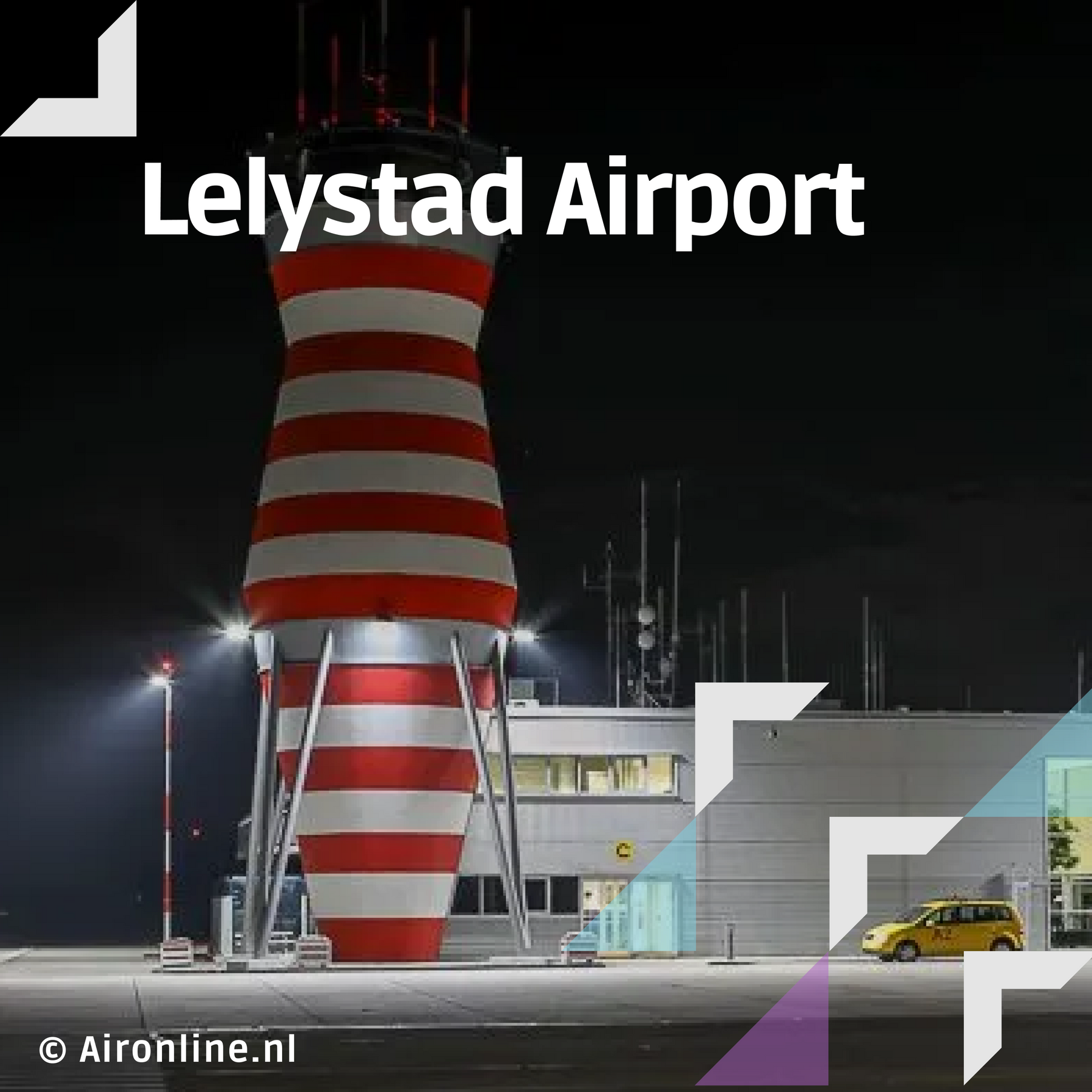
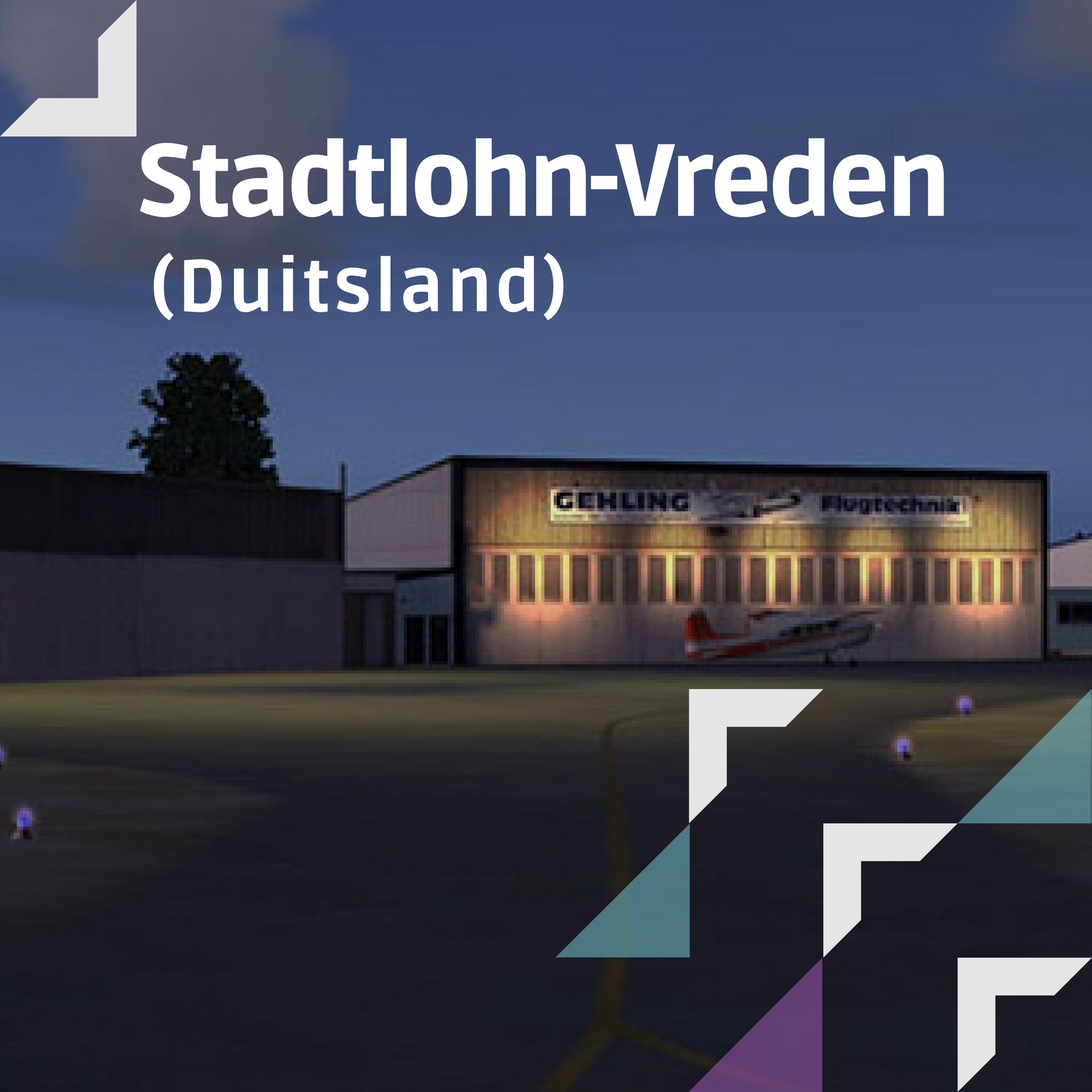
The training starts at Teuge Airport (depending on the season, daylight hours and weather conditions), but will mostly take place at an airfield where night flying is permitted, such as Lelystad or Stadtlohn. Fewer airfields are available for night flying in summer than in autumn and spring. Most night flight training therefore takes place in autumn or spring. If daylight hours and Teuge's opening hours allow take-off from Teuge shortly before dark, the flight to the training airfield forms part of the night navigation training. If this is not possible (depending on the season), you will first fly a daytime VFR navigation flight with an instructor to the chosen training airfield (and return after the training). These flights are not part of the night flight training and are therefore not included in the package. Still, it is great fun and a valuable learning experience to do this again! Together, we will decide whether to return to Teuge after the night flight or stay overnight near the training location. Of course, this always depends on preferences and circumstances. The night rating is therefore always arranged in close consultation with our scheduling team.
The student may also choose the training airfield, and training can take place in other countries if desired. We would be happy to provide a cost estimate if you are interested.
Agreeing on a date and time
After you place your order, we will contact you. We will then send you the information and all available dates for scheduling your lessons. Of course, the weather may not cooperate and we may have to reschedule a lesson. We will always let you know as soon as possible.
Weekend lessons
Yes, we are open every day. Please bear in mind that airports charge higher landing fees at weekends. That is why this training costs more during this period if you want to take lessons at the weekend.
Tailored training
This training is tailored to your specific needs and location, so it is often customised. To get the most out of this training, we recommend calling us on 055 203 2230. You can also reach us on WhatsApp at this number. That way, we can put together an offer that is perfect for you.
✓️ Learn to fly VFR at night
✓️ 5 hours of flying, including 4 hours with an instructor and 1 navigation flight
✓️ 5 solo take-offs and landings
✓️ 3 hours of theory
Who is this training for?
Do you have a pilot's licence and enjoy flying, but want to develop your skills further to become an even better pilot who can fly in even more conditions? Then the Night Rating Training is ideal for you!
A difference between night and day
During the Night Training, you will learn to fly at night according to the Visual Flight Rules (VFR), which means learning to fly by sight in the dark. This requires a whole new set of skills that you can sink your teeth into. You will learn to work with different visual references and interpret instruments in reduced visibility. This not only improves your navigation and emergency procedures, but also makes you a better pilot - a difference between night and day ;). Plus, you can enjoy the fantastic views during your night flights over illuminated cities and beneath clear, starry skies.
Get more out of your licence
In short, night flying helps you get more out of your licence and gives you greater flexibility, as you are no longer limited to daylight hours. Weather conditions are often better at night too, with less wind and thermal activity. It is also a good investment in your career, as night flying experience is often a requirement for commercial pilots.
Please note: Training is not possible in our electric aircraft, as they do not have lights. Of course, we offset all CO2 emissions through our partner TreeByTree.
What this training includes
- The price includes VAT, up to 25 landings, fuel, and instruction. If more landings are required or extra hours need to be flown because certain exercises must be repeated, these will be charged based on actual usage. Please note: In the event of a significant increase in fuel prices, we apply a temporary fuel surcharge. This surcharge will be calculated in the final bill.
- You will receive 3 hours of theoretical training for the Night (A) rating.
- 5 hours of night flying in a Single Engine Piston aircraft (our electric aircraft do not have lights, so we use our fuel-powered aircraft for this training. We fly on MoGas, and the CO2 emissions are of course offset.)
- 4 hours of flying with an instructor.
- 1.5 hours of cross-country navigation flight, including one dual cross-country flight of at least 50 km (27 NM).
- 5 solo take-offs and 5 solo full-stop landings.
- No Skill Test or Assessment of Competence is required; completion is demonstrated by completing the training through a course completion and an endorsement by the Head of Training in the logbook.
- Although there is no exam, you must apply to KIWA for a licence amendment to have the Night Rating added. The cost is around €120,-.
Requirements to start the Night Rating
- Candidates must hold at least a PPL(A) or LAPL(A).
- A valid medical certificate is required.
- LAPL holders must complete basic IR training, which is required for the issue of a PPL, before starting night training. If this has not been completed, students must fly the relevant flights from the E-Flight PPL(A) training syllabus as specified in the PPL(A) Training Manual.
Frequently asked questions
-
How long does the Night(A) course usually take?
The course can be completed in 2 to 3 evenings, but this may vary depending on the student's availability. -
What is the maximum time allowed to complete the Night(A) training?
The training must be completed within a maximum period of 6 months. -
What happens if I do not meet the required standards within the minimum time?
If the required standards are not met within the allotted time, you must repeat part or all of the training flight. This may extend the course duration and incur additional costs. Your instructor will keep you fully informed -
Is the flight training described the minimum required?
Yes, the training in the manual shows the minimum training required. Each training flight must meet a certain standard before you move on to the next flight. -
What happens if I do not complete the Night(A) training within 6 months?
If the training is not completed within 6 months, you may not meet the requirements to exercise your PPL privileges for aeroplanes under VFR conditions at night. In this case, consult your instructor about the next steps.
Training location
The training starts at Teuge Airport (depending on the season, daylight hours and weather conditions), but will mostly take place at an airfield where night flying is permitted, such as Lelystad or Stadtlohn. Fewer airfields are available for night flying in summer than in autumn and spring. Most night flight training therefore takes place in autumn or spring. If daylight hours and Teuge's opening hours allow take-off from Teuge shortly before dark, the flight to the training airfield forms part of the night navigation training. If this is not possible (depending on the season), you will first fly a daytime VFR navigation flight with an instructor to the chosen training airfield (and return after the training). These flights are not part of the night flight training and are therefore not included in the package. Still, it is great fun and a valuable learning experience to do this again! Together, we will decide whether to return to Teuge after the night flight or stay overnight near the training location. Of course, this always depends on preferences and circumstances. The night rating is therefore always arranged in close consultation with our scheduling team.
The student may also choose the training airfield, and training can take place in other countries if desired. We would be happy to provide a cost estimate if you are interested.
Agreeing on a date and time
After you place your order, we will contact you. We will then send you the information and all available dates for scheduling your lessons. Of course, the weather may not cooperate and we may have to reschedule a lesson. We will always let you know as soon as possible.
Weekend lessons
Yes, we are open every day. Please bear in mind that airports charge higher landing fees at weekends. That is why this training costs more during this period if you want to take lessons at the weekend.
Tailored training
This training is tailored to your specific needs and location, so it is often customised. To get the most out of this training, we recommend calling us on 055 203 2230. You can also reach us on WhatsApp at this number. That way, we can put together an offer that is perfect for you.